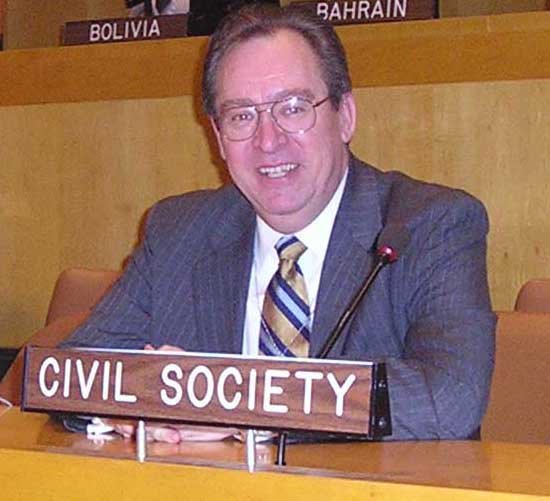
17 de mayo de 2007
Una Junta Ciudadana para PDVSA
2 de noviembre de 2006
Hasta el último centavo
16 de junio de 2005
¡Ahí vienen las olas!
24 de febrero de 2005
¿La joya de Citgo?
17 de junio de 2004
Un acuerdo petrolero
El Universal
9 de octubre de 2003
En la luna
30 de enero de 2003
Para que los vientos soplen a favor
19 de noviembre de 2001
Para la próxima
3 de septiembre de 2001
Burrundanga sin candanga
30 de agosto de 2001
¿Y... el ombudsman petrolero?
29 de marzo de 2001
El cuento de la participación
15 de diciembre de 1998
Una petición para la Constituyente
11 de agosto de 1998
La urgente necesidad de un Ombudsman petrolero
Desde el momento de la nacionalización del petróleo y la creación de PDVSA el principal reto organizativo del país es como garantizar la necesaria autonomía de la industria - evitar que se politice, al mismo tiempo que se garantiza su competividad y eficiencia interna - evitar convertirla en una incestuosa monarquía destinada a degenerarse. ¿Cómo vamos en este sentido?
Inicialmente la industria estaba organizada alrededor de varias empresas petroleras y que si bien significaban la duplicación de costos, mal que bien era una forma de tratar que los expertos se vigilaran los unos a los otros. La reciente reorganización de la industria ha de significar una total y absoluta centralización del poder. ¿Que medidas se han tomado para evitar los riesgos inherentes a una centralización?
Por cierto, en el momento que se le vendía al país el Plan de Reorganización se reportó al Congreso que este plan produciría ahorros por la cantidad de 2.000 Millones de dólares anuales. Que falta nos hacia en ese momento el arbitrio de un Ombudsman porque, para ofrecer un ahorro de esta magnitud como simple resultado de una reorganización, o el grado del despilfarro era absolutamente increíble (se debería haber mandado a cárcel a la mayoría de la Junta anterior) o simplemente se mentía sobre la posibilidad de ahorros.
La apertura petrolera se fundamento sobre el hecho de que la industria no tenía los recursos suficientes para acometer las inversiones curiosamente llamadas marginales. Los ingresos obtenidos no fueron otorgados a PDVSA para ser reinvertidos y terminaron dilapidados dentro del gasto público. Así mismo hemos visto que se le ha pedido a la industria tanto colaborar en la lucha contra la inflación (retrasando como cualquier maula los pagos a los proveedores) como endeudarse con fines claramente destinados a apoyar las finanzas públicas (los 1.800 millones de dólares en Mayo). Un Ombudsman podría analizar y explicarle al ciudadano común, quien por cierto es el verdadero accionista de PDVSA, si tal actuación es el resultado de unas presiones indebidas ejercidas por el Ejecutivo, o simplemente un encompinchamiento del Fisco y PDVSA.
El papel del Ombudsman tendría una inmensa significancia en todas las discusiones relacionadas con la fijación de los precios locales para la gasolina y sus derivados. Se están cubriendo los costos de producción etc., etc.? No se le debe exigir a la industria el pagar y darse el vuelto.
Existen una serie de preguntas operativas que de forma muy normal pueden inquietar al ciudadano y donde un Ombudsman por no tener conflictos de interés puede brindar respuestas mas calificadas y por lo tanto mas tranquilizadoras que las provistas por genéricas y seguramente muy costosas campañas publicitarias. Entre estas:
¿Obviamente no es responsabilidad de PDVSA construir hospitales y colegios pero, por qué invierte en ultramodernas estaciones de servicio? El sector privado puede acometer la totalidad de estas inversiones. De todas formas la participación de PDVSA en el mercado de la gasolina en Venezuela estaría garantizado ya que sería muy difícil que nos lleguen a meter un camello en el tanque.
Hoy algunos candidatos cuestionan por ejemplo la inversión de Venezuela en la red gasolinera de Citgo. Si bien a primera vista parecería ser una inversión superflua para un país necesitado de recursos también pudiese ser, por su rol de garantizar el acceso a los mercados, una inversión mucho mas importante que la que hacemos localmente para extraer petróleo del subsuelo. Que tema tan delicado y tan necesitado de un Ombudsman.
Vía prensa e Internet hemos observado a PDVSA cumplir funciones y efectuar gastos en una serie de actividades que no parecerían de su directa incumbencia. Ejemplos: Cuando tuvieron que asignar a oficinas de control cambiario a ejecutivos y en los que habrían invertido ingentes recursos en su formación profesional petrolera. El CEID una filial de PDVSA ofrece cursos de toda índole, como el de Consultoría en Organización, de 120 horas por Bs.1.212.000 mas IVA, y lo cual aparentaría ser una función del sector educativo venezolano. PDVSA pago 170 millones de Bs. por un estudio técnico para un puerto comercial en Caño Francés (Monagas) el cual no tiene absolutamente nada que ver con petróleo. No hay duda, un Ombudsman tendría trabajo.
¿De que si la industria cumple con sus responsabilidades con el medio ambiente? ¿De que si el plan de inversión de la Petroquímica solo reabrirá el recientemente tapado hueco de Sidor? ¿De que si la industria mostró ineptitud en el desarrollo de los posibles escenarios usados para proyectar los precios petroleros? ¿De que si la industria cumple con sus responsabilidades fiscales? ¿De que si abrimos el chorro petrolero y ganamos mercado para justificar las inversiones que se están haciendo? ¿De que si cerramos el chorro en la espera de lograr mejores precios para un producto no renovable? ¿De que si vendemos o no al pequeño inversionista acciones tipo EPIC? ¿De que si se hubiesen vendido hace un año cuál debería ser la actitud ante su probable caída de precios? ¿De que si están dadas las causales, así sea por simple disciplina, para despedir a la Junta Directiva de PDVSA? ¿De como puede la sociedad civil apoyar el desarrollo de la Orimulsión y protestar la reciente y desfavorable decisión de Florida?
Todas las preguntas anteriores tienen una mejor posibilidad de ser correctamente respondidas de existir un Ombudsman Petrolero que represente a los ciudadanos. ¿Que esperamos? Candidatos por favor háganlo parte de su verdadero compromiso electoral.
Publicado en Economía Hoy, 11 de Agosto de 1998
4 de mayo de 1998
The Petroleum Ombusdam Revisited
At that time, my observations were initially driven by a desire to know what effects on the industry the vast restructuring of PDVSA’s organization would have. In my opinion, there was a risk of centralization of the company.
Today, upon reviewing the myriad of questions PDVSA’s actions have raised in the Venezuelan society over the past year, I am even more convinced that the matter of the ombudsman for the petroluem sector must pass from being a mere suggestion to being an outright and urgent requirement. Let us see some examples:
The Oil Opening was justified by a lack of availability of resources to continue PDVSA’s investment plans. All of the funds raised by the opening, however, went directly into the Nation’s fiscal coffers. Who can explain that?
Without the slightest remorse, the National Executive requested that PDVSA withhold or delay payment of its obligations to local suppliers in an effort to further fight inflationary pressures, thereby becoming just another poor payer. Could this have been the beginning of an interesting swap aimed at sending Mr. Guisti to the Central Bank in return for Dr. Casas?
We are continually bombarded by adds in the press, selling courses and seminars to be dictated by an educational affiliate denominated PDVSA Cied. One single session, from 8 AM to 5 PM costs Bs. 300,000, an evident divorce from the economic realities of the country. When was PDVSA authorized by the country to expand its scope of activities in this manner?
Everyone has been made aware of the dangers of lead in gasoline. The solution for this seems to be of lesser importance than the revamping of an immense amount of service stations which, in addition to dispensing gasoline, are also to sell snacks. Who establishes investment priorities?
If any market is to be considered a captive client for PDVSA, it should be the Venezuelan one. I find it difficult to visualize a supertanker from the gulf trying to pass gasoline through our port authorities with the aim of selling me the concept “Put a camel in your tank”. If this is so, and if PDVSA truly is short of resources, on what basis can they announce a plan to invest US$ 800 million over the next nine years in order to improve their service station network. Why aren’t these resources invested in countries who’s markets we should be conquering?
And while we are talking of PDV, how much did the changes in image and the marketing of a new logo and trademark cost us?
And speaking of logos and trademarks, I haven’t seen any of the large oil companies now coming into Venezuela to participate in the local markets make these changes in order to compete in our environment. In a world of global markets, global coherence would seem to be important. We are all aware of the PDVSA’s important participation in the US markets through its holdings in the CITGO network. Why, then, don’t we support this trademark and market it in Venezuela as well?
By raising these questions, I don’t wish to give the impression that I argue in favor of the Petroleum Ombudsman only to supervise PDVSA. It is also important to note that this office could also launch a vigorous defense of the industry’s interests at times when fiscal pressures are brought to bear by the National Executive. These pressures could ultimately lead to further indebtedness and/or endanger our goose of the golden eggs in many other ways.
If anyone still harbors doubts as to the need for the office of this ombudsman, it should be enough to reflect on the confusion and ado created by the question as to whether PDVSA has or has not legally complied with is fiscal obligations.
PDVSA is a State owned company, headed by Directors and Management designated by the State. We should therefore be able to expect a certain confidence an adherence by the same with the norms handed down by the State. If this were not so, it would seem to indicate a much more serious problem, one that cannot be solved merely by establishing a special SENIAT office within PDVSA.
In the Daily Journal May 4, 1998
5 de febrero de 1998
PDVSA’s shadow budget
Evidently, it did not take long for local suppliers of goods and services to raise the roof with severe criticism. The latter is obviously based on the outright injustice brought on them and the local economy by an evident preference given foreign suppliers. The brief observations that follow address other aspects of this initiative.
Above all, it is important to note that there is no direct link between local purchases and inflation, specially in the case of PDVSA. Should the oil industry purchase goods locally instead of importing them, the State always has the option of selling hard currency against Bolívares, thereby soaking up the possible excess liquidity caused by these transactions. By the way, in order not to be disqualified from the roster of possible suppliers of services to the oil industry, I am willing to invoice any services they could possibly require in US$ and from the location they prefer. The only thing left for me then is to make my peace with the tax man.
Evidently, it is necessary to import should PDVSA’s demand of local goods and services eventually result in such strain on supplies that prices go through the roof. In this case, imports would not be the result of the application of economic policy (hare-brained or not) but of a simple and usual business common sense that dictates that you buy where it is least expensive.
These observations bring us around to the real question about the real scope of the oil industry’s operative independence or, if we look at the other side of the coin, the scope of the direct influence exerted by the National Executive on PDVSA and its operations.
If it is true that the Government has the power to instruct PDVSA to direct it’s purchases towards one source or another, when to pay its bills, etc., etc., without being subjected to legal norms and regulations such as the Law of Safeguarding of Public Patrimony (Ley de Salvaguarda del Patrimonio Público) and running circles around the Central Bank’s independence without so much as a polite salute, then I’m afraid we are in the presence of a parallel government of some import.
I am not a public servant, but I feel that should I be one and be appointed to sit on the Finance Committee of Congress, I would definitely consider my job belittled. Should I be called on to collaborate with the development of the national budget, which is evidently based on the use of a few small printed bills, it is possible that the game of Monopoly would have immediately come to mind. In addition, I would surely be intensely jealous of those who, being directly in charge of budgeting the use of real resources such as PDVSA’s, have much more to say in the future of our country.
By saying this, I am not inferring that Congress should be the entity in charge of PDVSA’s budget. A democracy is based on the existence of a system of checks and balances. Therefore, if the National Executive, with or without reason, insists on intervening directly in the oil industry’s activities, it is clear that it is necessary to regulate the limits of this interference.
A few months ago for similar ends, I suggested the creation of the figure of the “Oil Ombudsman”. Initially this was aimed at simply informing the common citizen, objectively and truthfully, about the state of the national oil industry. In Swedish, the word “Ombudsman” means something like the spokesman and representative of public interest. It is a figure used in many countries in areas that are infinitely less important than the oil industry is to Venezuela.
Today, we are all trying to evaluate the consequences of the recent reorganization of PDVSA and would all like to clear up the issue of the instructions supposedly issued as far as PDVSA’s purchases are concerned. We all must feel the need to go talk to someone credible who could clearly answer our questions about matters related to the efficiency of the industry as well as about possible consequences of Government intervention in the same. If accusations of intervention are false, would it not be comforting to hear this from a neutral source as well?
It is probable that neither the National Executive nor the petroleum industry is keen about the possibility of having an external observer hanging around the halls. However, due to the all-important nature of the oil industry for Venezuela as a whole, it is our responsibility to request the existence of one.
In the Daily Journal, Caracas, February 5, 1998
7 de agosto de 1997
The Petroleum Ombudsman
During the last few weeks we have received information pertaining to our oil industry which seems a bit strange and contradictory. Some “experts” harp on the fact that the internal cost of producing gasoline exceeds by far its price in the national market while others maintain just the opposite. The industry has announced a reorganization plan which would result in annual savings of US$ 2 billion. The other side of the coin of such sweet savings would seem to be the bitter possibility that the industry has been throwing these resources out the window all these years.
What does all this news really mean? Are we in bad shape but doing better, or are we in good shape but doing worse? This is very difficult to answer. As Venezuelans, shareholders and indirect beneficiaries of the petroleum industry we should have access to qualified sources of information. This information should be somewhat more objective than that we receive today from sources dedicated to different agendas, may they be government, opposition or industry insiders.
In this sense, I believe it may be interesting to promote the appointment of a Petroleum Ombudsman who, beginning with the limited role of providing truthful information, could eventually develop into a real defender of the Nation’s interests. The Ombudsman, a word of Swedish origin that identifies a spokesman and representative of the interests of society, is a figure that is used in many countries and performs many different functions in areas that are of relatively lesser importance than what the oil industry is to Venezuelans.
In addition to his role of truthful informer, the Petroleum Ombudsman can assist in the evaluation of the consequences of a great variety of aspects that affect the industry. One interesting case would be the implications of a request by Venezuela’s Central Bank to expand the oil industry’s role by asking it to delay payments to suppliers of goods and services in order to reduce excess liquidity in the local market and, as a result, fight inflationary pressures.
Another matter on which the solid, objective opinion of an Ombudsman would be more than welcome is the oil opening. Our happiness would be more complete when we are asked to celebrate the oil opening, could we only rest assured that the reasons for this aperture are not related to excessive fiscal pressure imposed on the industry which has limited its investment possibilities and even forced it to contract debt.
The existence of an Petroleum Ombudsman that is respected by the country would guarantee the collaboration of the nation’s citizens when it is justified. I am sure that among all Venezuelans of good faith that love this country, there isn’t one that would outright wish to contribute towards a deficit for the oil operators by purchasing gasoline at prices below production costs. On the other hand, among these same Venezuelans, very few would be prepared to pay a higher price in order to contribute to a Central Government that squanders its resources.
During the interview I mentioned at the beginning of this article, I maintained that should PDVSA be politicized, citizens would at least be in the position every five years of being able to pass judgment as shareholders of its management’s achievements. This was interpreted by the reporter as a recommendation to politicize PDVSA. This, as you can imagine, caused much embarrassment, and I was very relieved that the article was published on Saturday and during a period of vacations when few people read the press anyway. Today, talk about politicizing PDVSA does not continue to be a crime when we are seeing the latter become a political player; what is the same is not cheating (lo que es igual no es trampa).
In the Daily Journal, Caracas, August 7, 1997
El ombudsman petrolero (El Defensor del Pueblo en el área petrolero)
Hace diez años, durante una entrevista con un periodista local, expresé mis preocupaciones sobre el futuro a largo plazo de organizaciones como Petróleos de Venezuela. Si bien satisfacemos una necesidad real de libertad de acción y de confidencialidad informativa, lamentablemente también hemos encaminado a la organización hacia la degeneración de su capacidad operativa, por muy eficiente que haya sido en el punto de partida. Durante esta entrevista incluso dije que podría llegar el día en que, en teoría, sería más atractivo tener políticos en el directorio de PDVSA que sufrir los efectos de una meritocracia enquistada, inconsciente de las realidades del país. El desafío de Venezuela en ese momento era encontrar una manera de evitarlo. Sigue siendo.
Durante las últimas semanas hemos recibido información sobre nuestra industria petrolera que parece un poco extraña y contradictoria. Algunos “expertos” insisten en que el costo interno de producir gasolina supera con creces su precio en el mercado nacional mientras otros sostienen todo lo contrario. La industria ha anunciado un plan de reorganización que supondría un ahorro anual de 2.000 millones de dólares. La otra cara de la moneda de estos dulces ahorros parecería ser la amarga posibilidad de que la industria haya estado tirando estos recursos por la ventana todos estos años.
¿Qué significa realmente toda esta noticia? ¿Estamos en malas condiciones pero nos va mejor, o estamos en buena forma pero nos va peor? Esto es muy difícil de responder. Como venezolanos, accionistas y beneficiarios indirectos de la industria petrolera debemos tener acceso a fuentes de información calificadas. Esta información debería ser algo más objetiva que la que recibimos hoy de fuentes dedicadas a diferentes agendas, ya sean expertos del gobierno, de la oposición o de la industria.
En este sentido, creo que puede ser interesante promover el nombramiento de un Ombudsman Petrolero que, partiendo de la limitada función de brindar información veraz, pueda eventualmente convertirse en un verdadero defensor de los intereses de la Nación. El Ombudsman, palabra de origen sueco que identifica a un portavoz y representante de los intereses de la sociedad, es una figura que se utiliza en muchos países y desempeña muy diversas funciones en áreas que son de relativamente menor importancia que lo que es la industria petrolera para los venezolanos. .
Además de su papel de informador veraz, el Ombudsman Petrolero puede ayudar en la evaluación de las consecuencias de una gran variedad de aspectos que afectan a la industria. Un caso interesante serían las implicaciones de una solicitud del Banco Central de Venezuela para ampliar el papel de la industria petrolera pidiéndole que retrase los pagos a los proveedores de bienes y servicios para reducir el exceso de liquidez en el mercado local y, como resultado, luchar contra la inflación. presiones.
Otro asunto sobre el que sería más que bienvenida la opinión sólida y objetiva de un Defensor del Pueblo es la apertura petrolera. Nuestra felicidad sería más completa cuando nos invitaran a celebrar la apertura petrolera, ¿podríamos estar seguros de que las razones de esta apertura no están relacionadas con una presión fiscal excesiva impuesta a la industria que ha limitado sus posibilidades de inversión e incluso la ha obligado a endeudarse.
La existencia de un Ombudsman Petrolero que sea respetado por el país garantizaría la colaboración de los ciudadanos de la nación cuando esté justificada. Estoy seguro que entre todos los venezolanos de buena fe que aman a este país, no hay uno que desee de plano contribuir al déficit de los operadores petroleros comprando gasolina a precios inferiores a los costos de producción. Por otro lado, entre esos mismos venezolanos, muy pocos estarían dispuestos a pagar un precio más alto para contribuir a un Gobierno Central que despilfarra sus recursos.
Durante la entrevista que mencioné al inicio de este artículo, sostuve que si PDVSA se politizara, los ciudadanos estarían al menos cada cinco años en la posición de poder emitir juicios como accionistas sobre los logros de su gestión. Esto fue interpretado por el periodista como una recomendación para politizar a PDVSA. Esto, como puedes imaginar, me causó mucha vergüenza y me sentí muy aliviado de que el artículo se publicara el sábado y durante un período de vacaciones en el que, de todos modos, poca gente leía la prensa. Hoy hablar de politizar a PDVSA no sigue siendo un delito cuando vemos a ésta convertirse en un actor político; Lo que es igual no es trampa.


.jpg)